

The winter season is, in a way, the bane of many electric car drivers' existence. – Ultimately, the battery performs less efficiently in cold temperatures than at a comfortable 20 degrees Celsius. Nevertheless, Tesla owners can make the colder months quite pleasant and efficient with a few tips and tricks.
Tip 1: Planned departure time
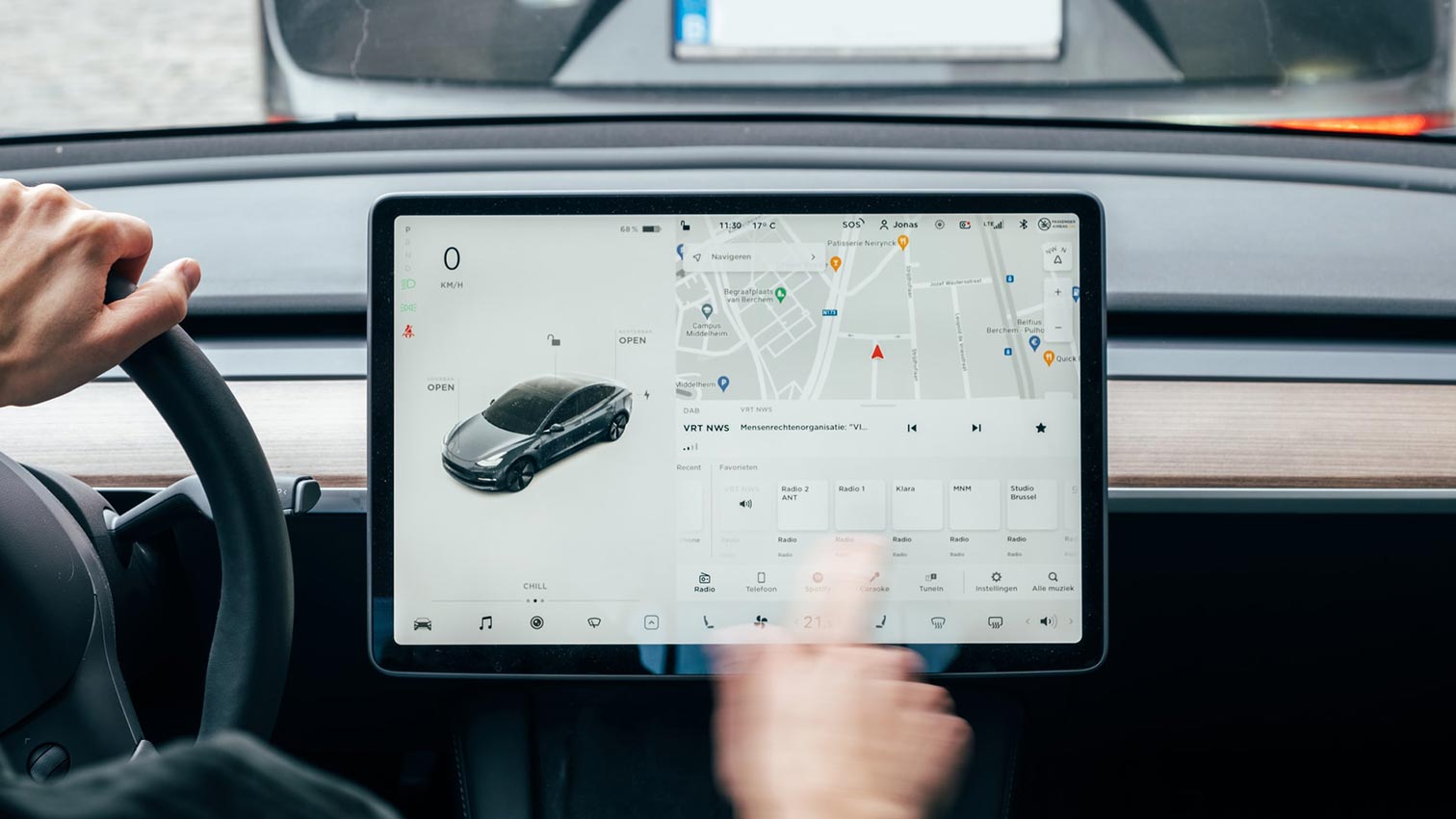
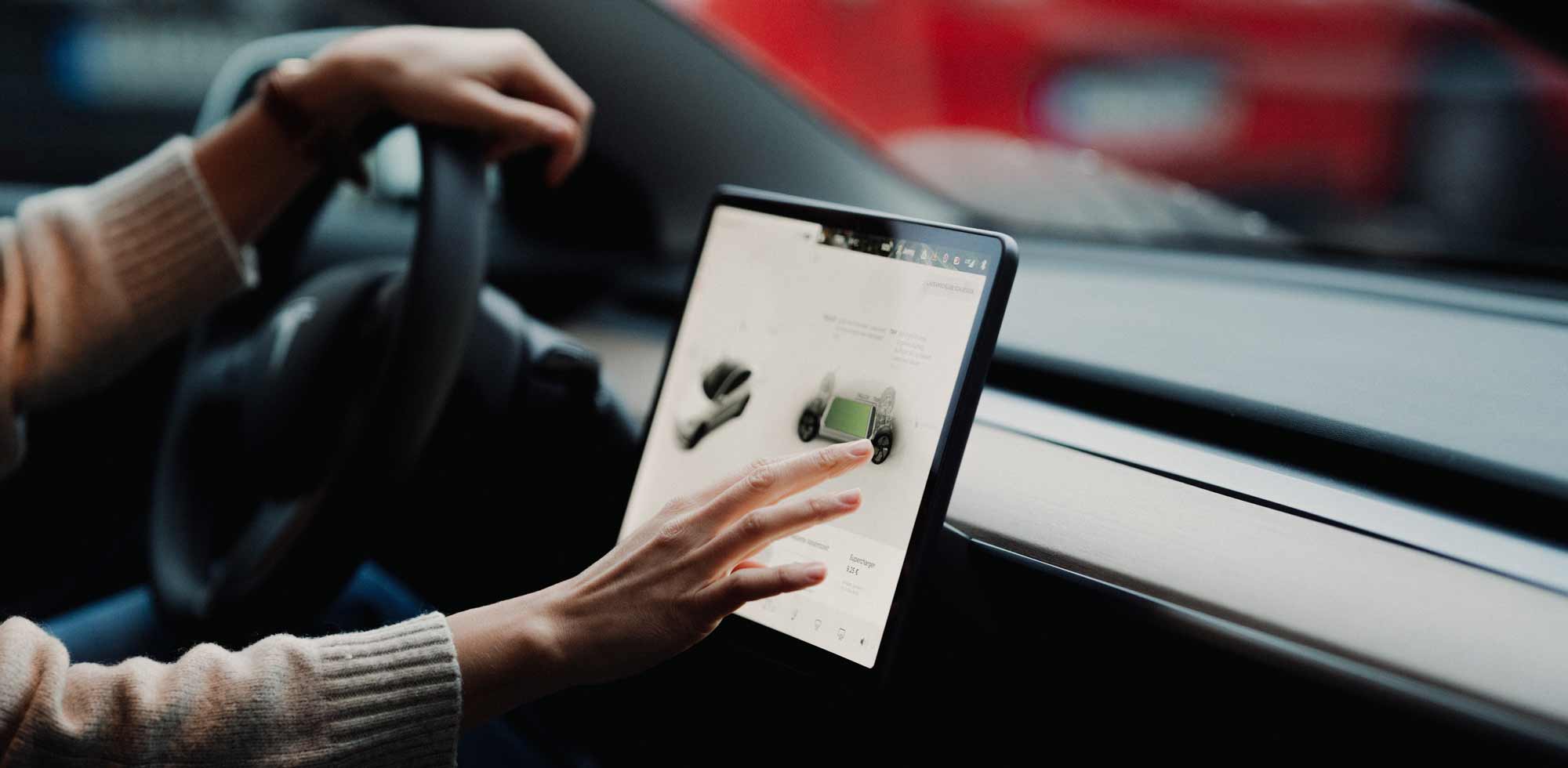
Under climate —> Pre-conditioning —> The schedule feature is called "Scheduled Departure Time." Enter a time there, and your vehicle will warm the battery to temperature in time for departure. While this might sound wasteful at first, it makes perfect sense: a warm battery is significantly more efficient than a cold one. This difference is so substantial that it's actually worthwhile to use the energy to preheat the battery.
By the way: With Planned Departure Time, the battery will also be fully charged to the desired level at the planned time, provided you have plugged in the vehicle.
Tip 2: Pre-condition and de-ice
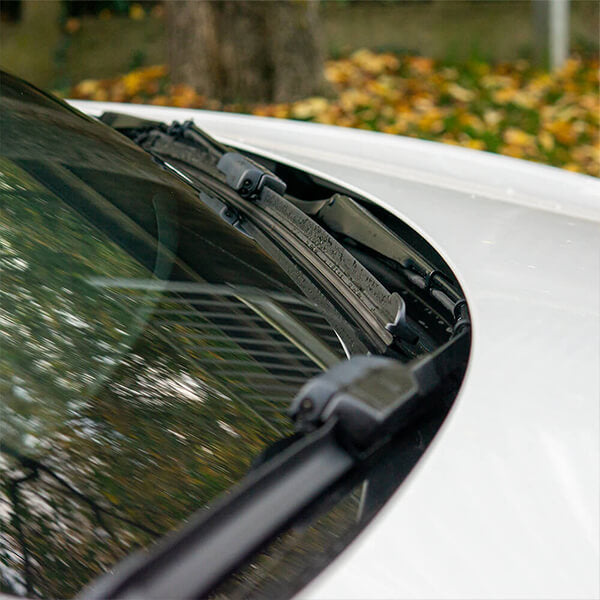
Another way to precondition the battery is to use the "Precondition" and "Defrost" features in the Tesla app. The former warms the interior for you, while the latter also heats the windows to remove snow and ice, saving you the hassle of scraping. Both features also preheat the battery, enabling the most efficient use of your Tesla from the very first drive.
Tip 3: Using Superchargers
If you plan to charge at a Supercharger, it's always recommended to enter the intended station as your destination in the navigation system (unless the system has already done so). This also ensures that the Tesla preheats the battery in time, allowing you to charge at the highest possible power while minimizing wear and tear on the battery.
Tip 4: Remove snow from sensors
Safety-relevant driver assistance systems, such as the emergency braking assistant and the autopilot, require information from sensors and cameras to function correctly. For a safe and relaxed drive, it is therefore advisable to clear all cameras and sensors of snow and ice before setting off. While some of this may already be done by the "de-icing" function, a check is always a good idea.
Tip 5: Leave your Tesla plugged in
Whenever possible, you should leave your Tesla plugged into a standard household outlet. This has the advantage that the energy needed to preheat the battery, power the air conditioning, and defrost the vehicle can be drawn from the electrical grid, rather than draining the battery and thus reducing the vehicle's range.
Don't forget to set a charging limit in the settings. Otherwise, the vehicle will always be fully charged, which significantly reduces the battery's lifespan.
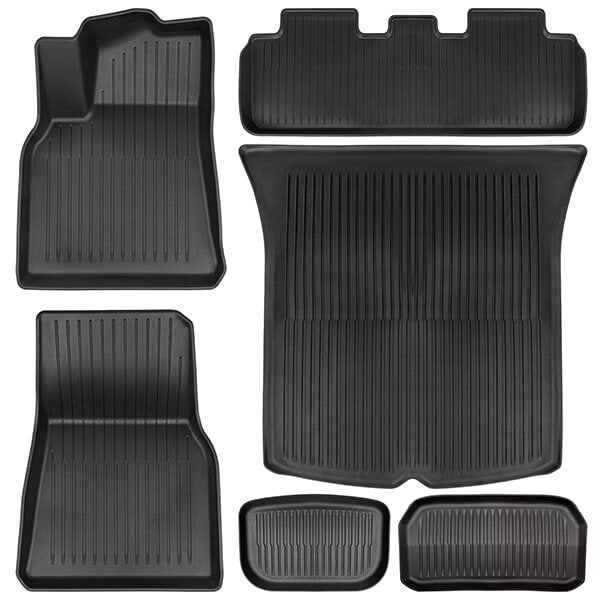
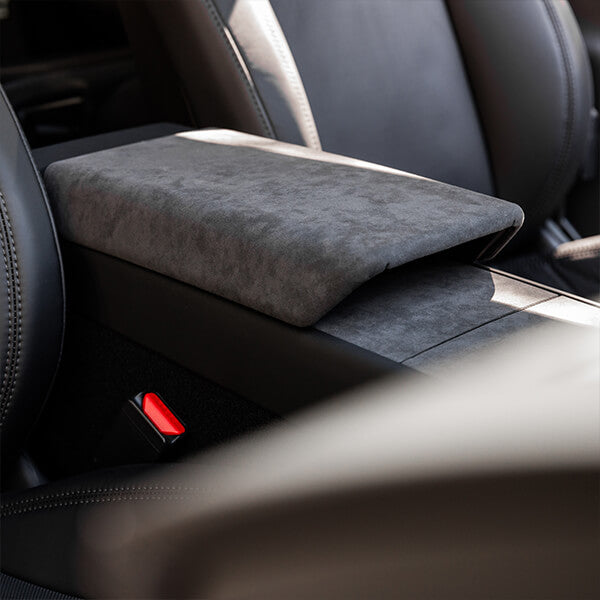
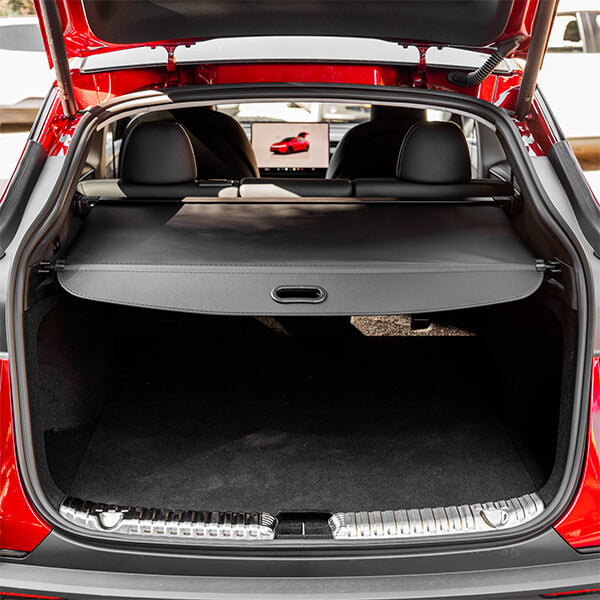
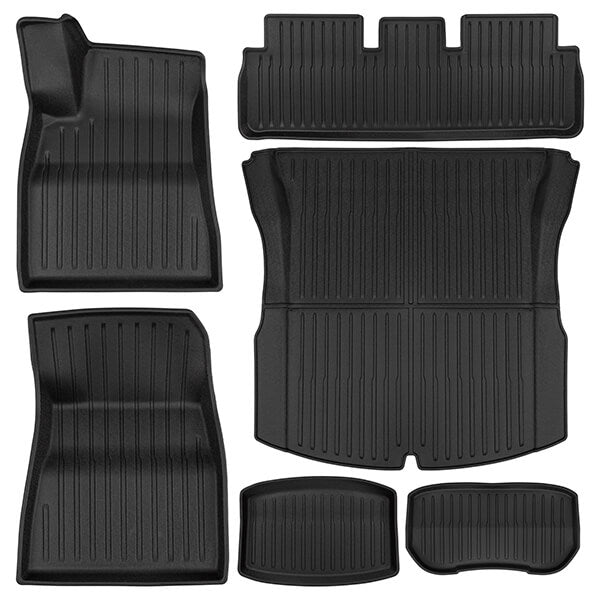
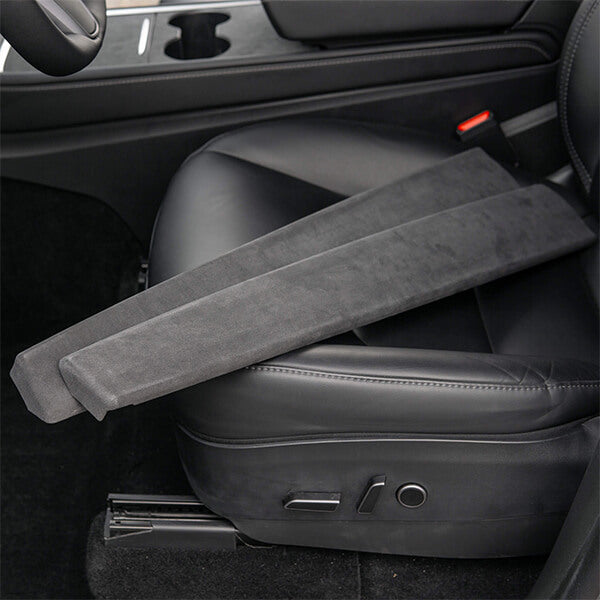
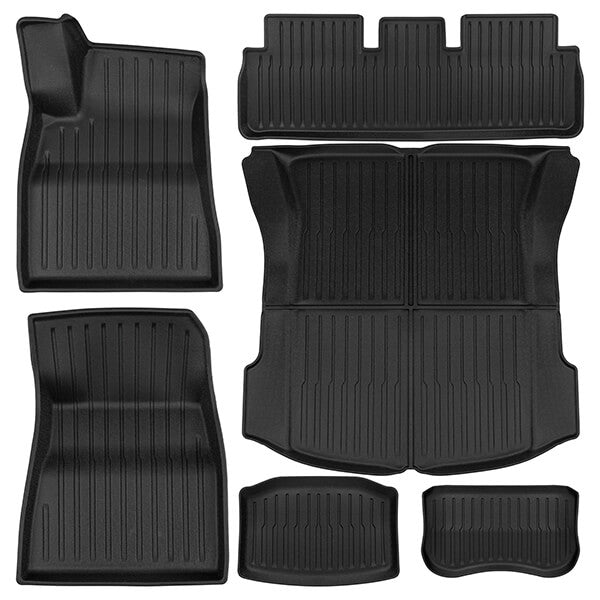
Besides that nerve-wracking in winter: Snow, rain and slush, which get stuck to shoes and quickly find their way into the car, leaving behind a lot of unwanted dirt. practical Tesla mats Your car will also remain in clean during this wet and cold time of year.
2 Comments
Andreas
Bitte auch nicht vergessen die Türgummies gegen Vereisung zu behandeln, dann noch die Spiegel Einklappautomatik abschalten und die Tür öffnen Funktion in der App nutzen, falls Türgriffe eingefroren sind und man keine Lust hat das Handgelenk zum Hammer umzufunktionieren und das auftauen mit Strom ebenfalls nicht funktioniert…
Bitte auch nicht vergessen die Türgummies gegen Vereisung zu behandeln, dann noch die Spiegel Einklappautomatik abschalten und die Tür öffnen Funktion in der App nutzen, falls Türgriffe eingefroren sind und man keine Lust hat das Handgelenk zum Hammer umzufunktionieren und das auftauen mit Strom ebenfalls nicht funktioniert…
Daniel Kaiser
Danke für die Tipps :) ersteres war mir so tatsächlich noch nicht bewusst.
Bzgl. Ladelimit könnte man noch den Hinweis mit auf nehmen, dass das nicht für LFP gilt. Da empfiehlt Tesla, das Ladelimit auf 100% zu belassen
Danke für die Tipps :) ersteres war mir so tatsächlich noch nicht bewusst.
Bzgl. Ladelimit könnte man noch den Hinweis mit auf nehmen, dass das nicht für LFP gilt. Da empfiehlt Tesla, das Ladelimit auf 100% zu belassen