




With Tesla, much revolves around the battery – sometimes negatively, but very often positively. One of the often overlooked advantages: you always have a huge battery with you that you can use for all sorts of practical accessories.
Accessory operation even without motor
refrigerators in the trunk, lights and entertainment even on the most remote camping locations or simply a USB port for charging smartphones and other devices. Unlike with a combustion engine, you usually don't have to worry about such activities draining the battery and the car not starting.“.
It's no wonder, then, that many Tesla drivers made frequent use of these features – until Tesla itself unexpectedly put a stop to it. Two years ago, an inconspicuous software update meant that the 12-volt sockets in the car only supplied power when the vehicle was switched on and the driver's seat was occupied.
Update for the 12-volt socket
The reason given at the time was safety concerns. According to Tesla, unsuitable devices or excessively heavy loads were repeatedly connected, which is why the feature was deactivated. From then on, accessories that relied on the 12-volt power supply essentially only worked while driving and switched off again when parked – especially with accessories like the... Subtrunk refrigerator for Model Y a very unfavorable scenario.
The only workaround at the time was camping mode, but this had several drawbacks. Fortunately, vocal feedback from various quarters has since prompted Tesla to reconsider its approach.
Tesla introduces feature: "Keep accessories switched on"“
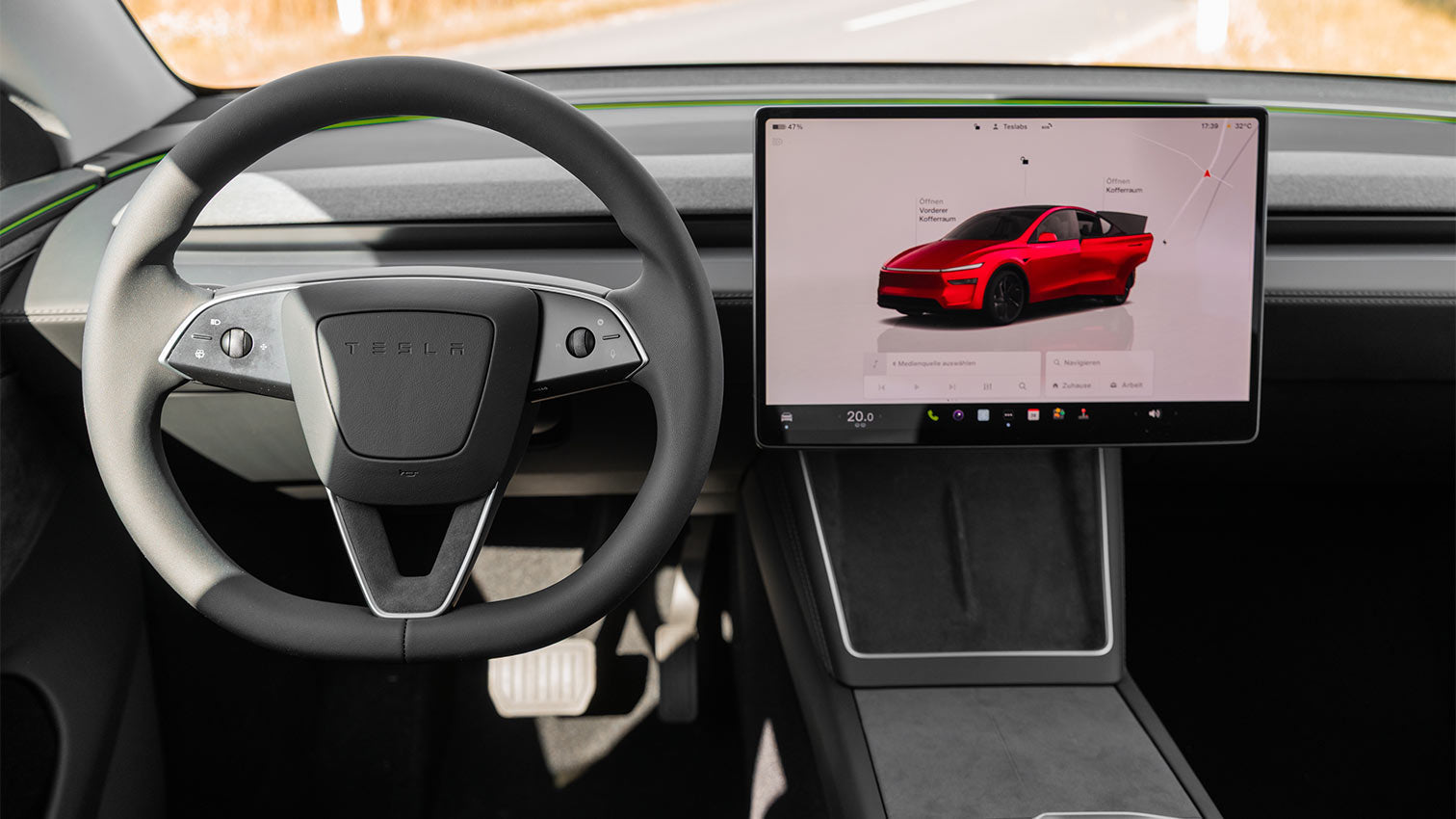
The function "Leave accessories switched on", found under Vehicle -> Charging or via the app keeps the low-voltage sockets (12 volts and USB) permanently active, at least in newer vehicles and when the battery level is above 20 percent.
Tesla points out that the feature significantly increases battery consumption during periods of inactivity. Without active accessories, this consumption is around 1% per day; with them, it can easily exceed 5%.
In everyday use, this is usually not a problem and, given the potential advantages, easily tolerable. Only during extended periods of inactivity, for example on vacation, should you consider deactivating the function.
Take advantage of the “new“ Already using this feature? Feel free to share your experiences in the comments!