

Reports of alleged Tesla hacks, where attackers supposedly gained access to vehicle functions or even managed to steal a car, are a recurring theme. But what's the truth behind these stories, and how can you protect your Tesla?
Tesla and hackers
Modern cars are indeed popular targets for cyberattacks, because the more technology, internet connections, and remote access capabilities they contain, the more potential vulnerabilities arise. Tesla is by no means the only manufacturer facing this problem.
However, Tesla, as a software-focused newcomer with a particularly large range of functions, is often the target of ridicule.
Several cases are already known in which Tesla vehicles have been successfully hijacked, most recently by the IT security firm "NCC-Group". They were able to hack a Tesla Model 3 in a test, exploiting a vulnerability in the BLE technology.
Tesla uses BLE (Bluetooth Low Energy) to detect the keys and their distance from the vehicle. This allowed the attackers to remotely unlock and subsequently steal the cars.
Pin-to-Drive vs Tesla Hacks
In response to the hacking attacks, Tesla has implemented several measures to make its vehicles more secure. The most effective way for owners to take proactive steps is to activate the "Pin to Drive" feature. Similar to a smartphone, this allows you to set a four-digit PIN. This PIN must then be entered each time the car can be driven.
While this doesn't directly prevent a hack, it does protect against theft. Attackers also won't be able to remotely move the vehicle using the summon function.
A nice side effect: Your Tesla will also be better protected against "classic" crowbar theft.
Furthermore, you should of course always make sure that all updates are downloaded and installed, and contact the Tesla service center if you suspect a hack.
How do I activate Tesla Pin-to-Drive?
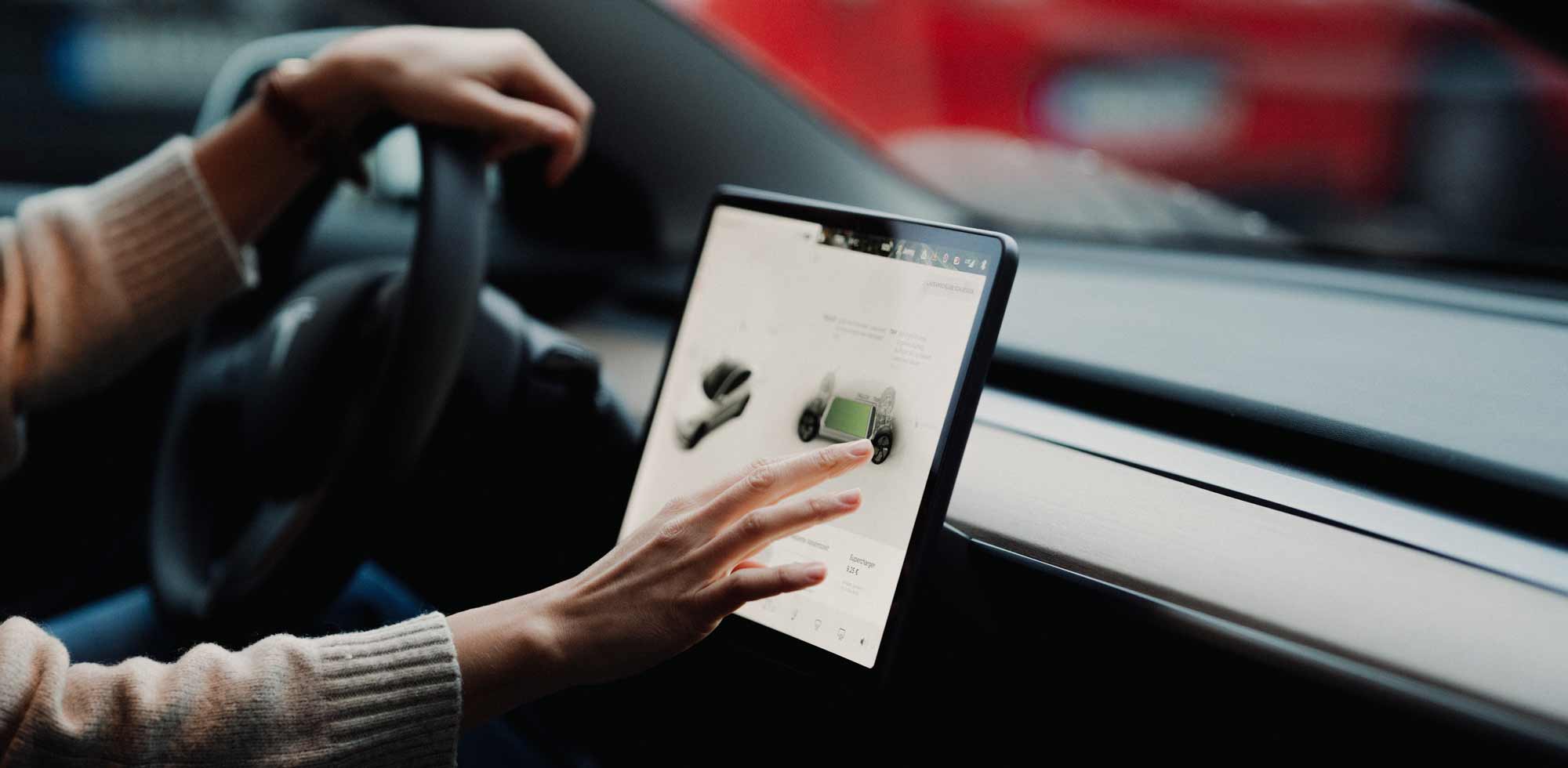
To activate the protection, navigate to Vehicle —> Security -> Enter PIN to drive. Here you can create a PIN for the first time, which must then be entered before each trip.
If you want to deactivate the feature or have forgotten your access code, you can enter your Tesla access data and perform a reset in the same settings menu.
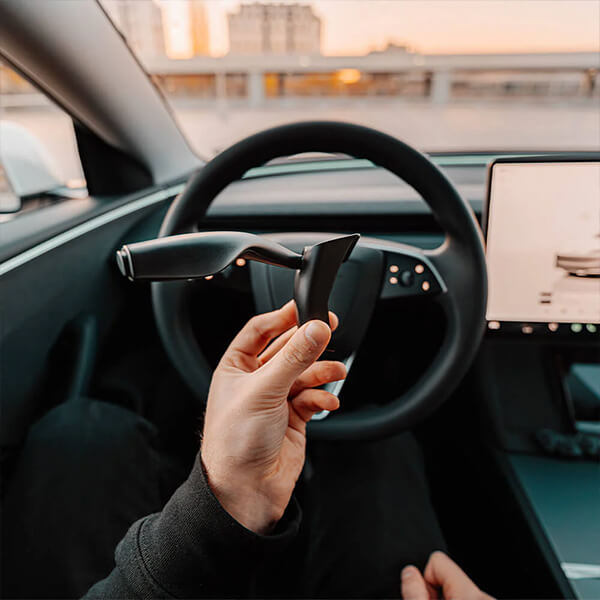
Source of featured image: Jp Valery via Unsplash