

As with any computer system, errors can occur or the system can "freeze" in a Tesla. In this case, a simple "power cycle" can help.
Here we explain how soft and hard reboots work in a Tesla.
Tesla: Soft Reboot
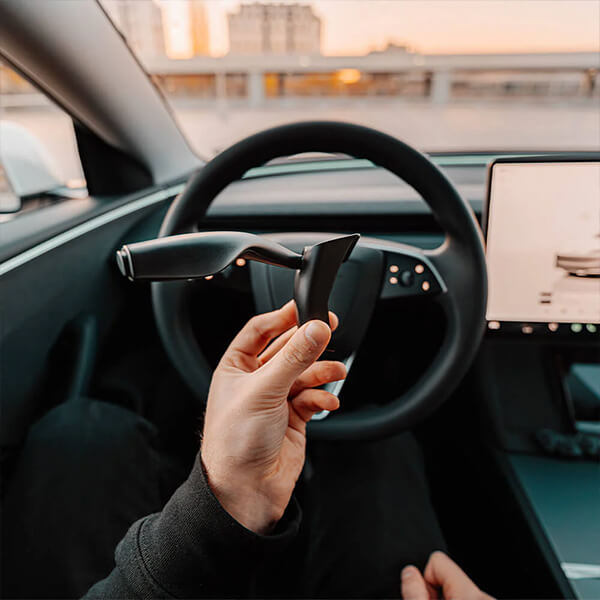
The first option restarts certain software systems and can sometimes even be performed while driving. If only the screen needs to be restarted (e.g., because it's frozen), simply press the two scroll wheels on the steering wheel until the screen goes black. It should then restart.
If that doesn't help, you can hold down the brake, the scroll wheels and the two buttons above them until the display turns off and then back on.
A third option is to shut down the system in the settings (via Security -> (Switch off). You should wait a few minutes before triggering a restart by pressing the brake pedal.
ImportantThe last two methods only work in the park position and with the doors closed.
Tesla: Hard Reboot
If that still doesn't help, the only remaining option is a hard reboot, which involves briefly disconnecting the 12V battery. This is similar to removing the battery from a smartphone and causes a complete restart of ALL components. However, a hard reboot can be very dangerous due to the high-voltage system of an electric car. Therefore, professional assistance is recommended.
Anyone who still wants to do it themselves must locate the battery, disconnect it from the system, and reconnect it after two to three minutes. If you want to do it yourself, you should have some prior experience and prepare thoroughly.