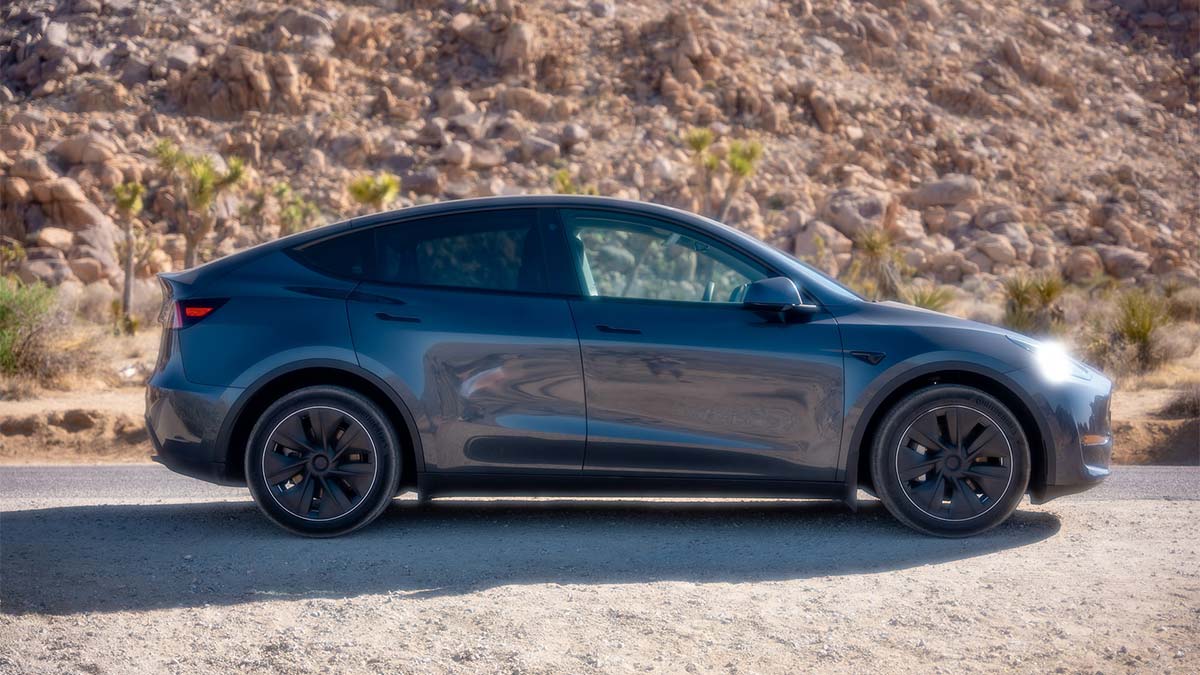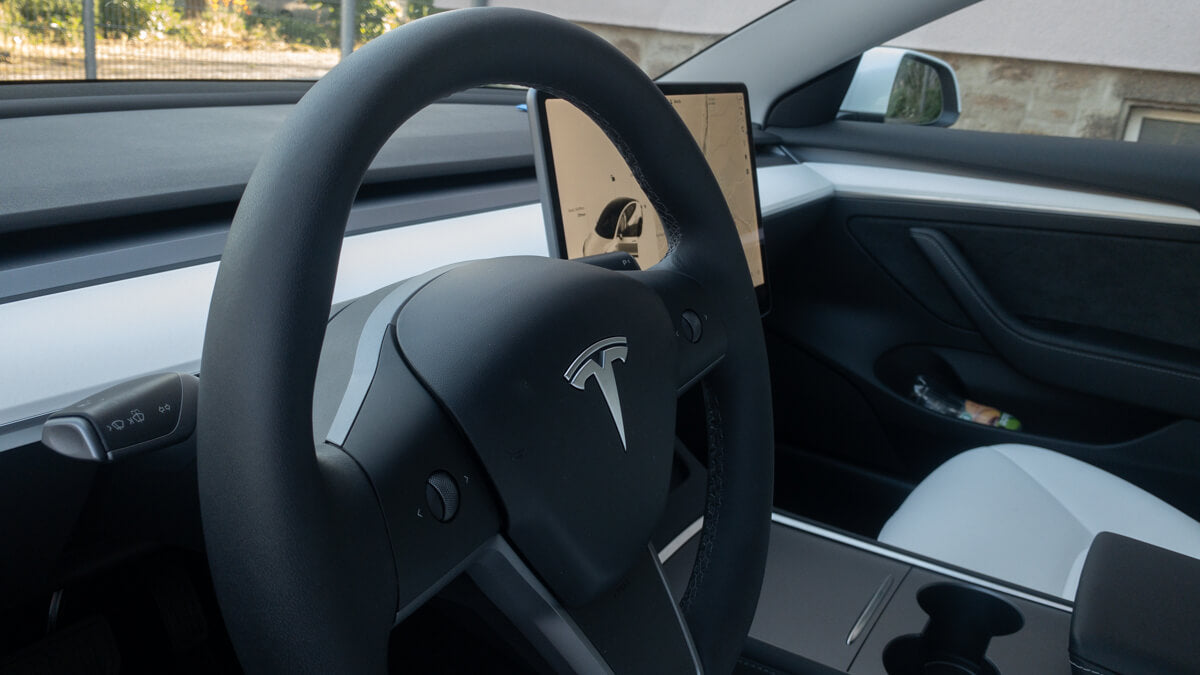


The Tesla Model 3 and Tesla Model Y are the American manufacturer's most popular and affordable cars. At first glance, both vehicles appear quite similar, leading some to wonder: what are the actual differences between these two electric vehicles (besides perhaps their release year)?
Tesla Model Y: Larger and more spacious
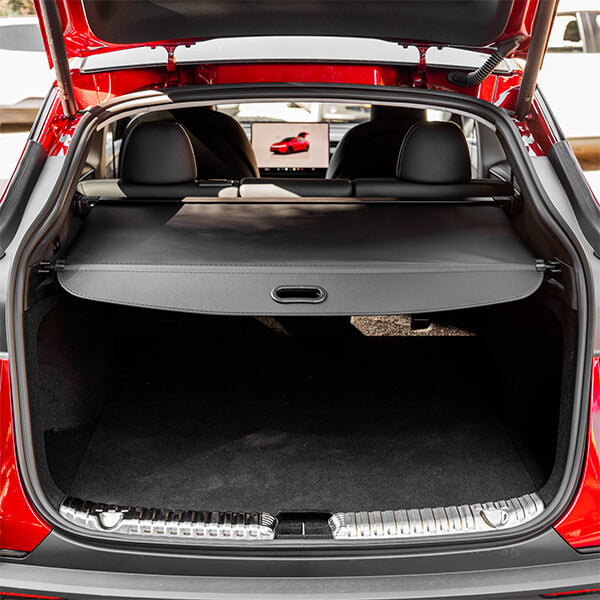
Perhaps the most obvious difference is the size. The Model Y, as a crossover SUV, is longer, wider, and taller than the mid-size sedan Model 3. This offers more space for luggage and passengers: 971 liters of trunk space is approximately 50% more than the 649 liters of its "little brother."
Furthermore, the Model Y is designed as a seven-seater – although this configuration is not yet available in Germany.
Model 3 leads in consumption and range
Larger dimensions generally mean higher air resistance and greater weight, resulting in higher energy consumption. The Model Y is no exception, which is why, at 16.9 kWh/100 km, it has to concede to the Model 3 (14.4 kWh/100 km) in this respect.
This also affects the range: The Model 3 Long Range goes almost 70 kilometers further (602 kilometers) than the same variant of the Model Y (533 km).
Differences in price and features
Naturally, the larger Model Y is also somewhat more expensive, starting at €56,990. The Model 3 starts at €49,990. For that price, the SUV always comes with all-wheel drive, while buyers of the sedan have to make do with rear-wheel drive in the base version.
Furthermore, the Model Y comes standard with larger rims and the option to fit a trailer hitch.
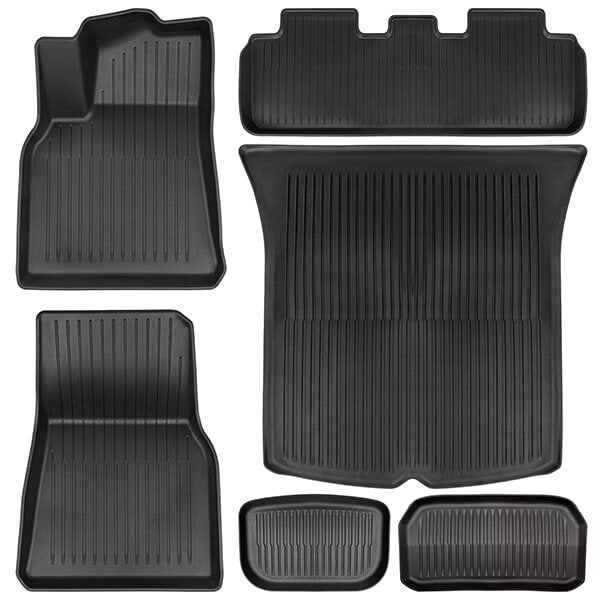
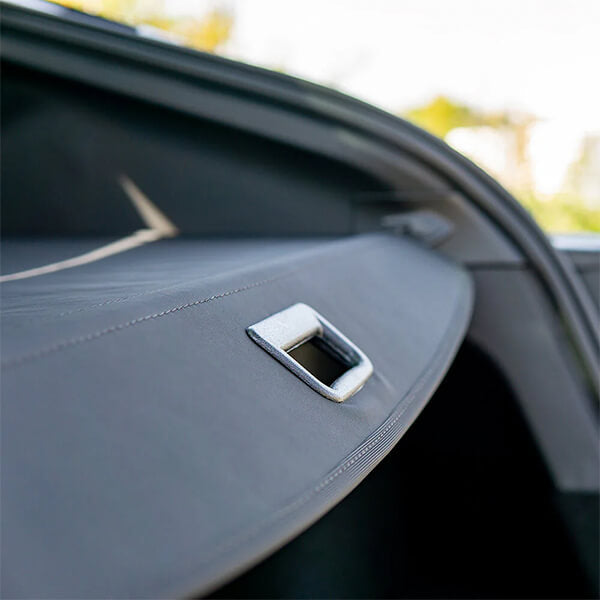
Both models are equipped almost identically, which is why the range of practical features is also the same. Accesories as well as helpful Tips The differences are relatively similar. Therefore, the decisive factors for a purchase decision are likely to be the individual space requirements and the range.
Image source: Brice Cooper, Carter Baran via Unsplash